
Advertorial

Emma de Vries | 20 september 2024
Home > Health > Vein Health
Brown spots around your ankles? A nurse says: It’s not what you think.
It’s not a skin problem – it’s a vein problem showing on your skin. That’s why creams, compression stockings and tablets didn’t work.

Dr Andrew Harris
Dr Andrew Harris

6 October 2026

6 October 2026• 3-minute read
Karen Mitchell spent 23 years as a vascular nurse in New Zealand. This is her story, in her own words.
I’m about to
I’ve stopped worrying about that.
What I’m about to tell you could bring an end to the comfortable little system they all benefit from.
The ten-minute appointments.
“Just wear your compression stockings, love.”
Laser treatments costing NZ$5,700 at private specialist clinics only to find your legs looking even worse twelve months later.
Her name was Margaret.
She came into my clinic on a Tuesday morning in March. She was sixty-eight years old, sat down in front of me and quietly said:
“I haven’t worn a skirt in seven years. I don’t recognise my own legs anymore.”
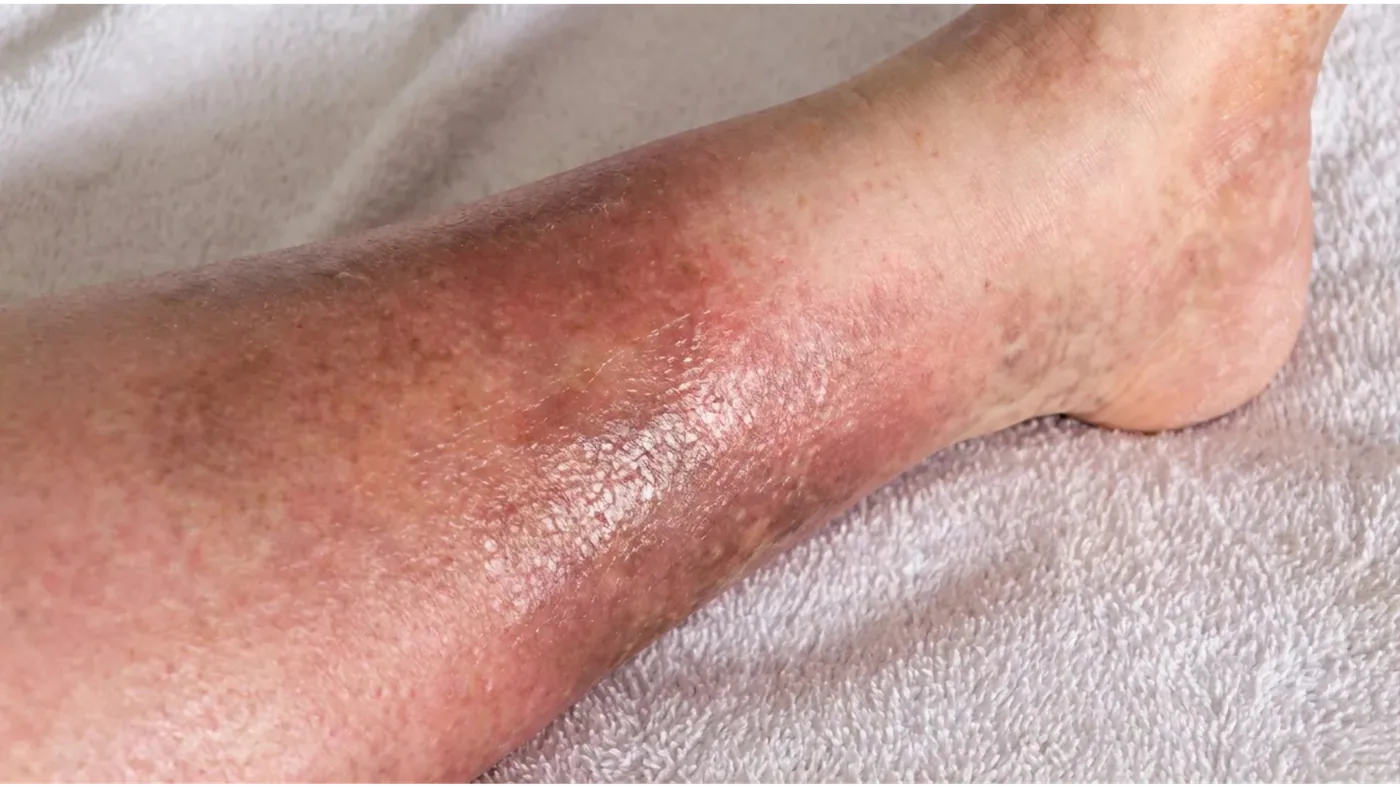
Her ankles were the colour of weak tea. Brown, blotchy and hot to the touch.
Each time, she was given ten minutes. Twice, she was told it was probably eczema.
Not once did anyone mention iron.
The brown colour around her ankles wasn’t eczema. And it wasn’t “just getting older”.
It wasn’t a fungal infection.
And everything she had been advised to try – every cream, every compression stocking, every water tablet and every appointment – was aimed at the wrong problem.
I sat there looking at Margaret’s medical records, and something inside me simply broke.
I knew the system had let her down.
If you’re reading this because you’ve noticed reddish-brown patches slowly spreading up from your ankles …
If your shoes no longer fit by three in the afternoon and you pretend everything is fine …
If you’ve quietly packed away every dress and pair of sandals and only wear trousers in summer …
Then please give me the next five minutes.
They could be the most important five minutes you spend this year.
My name is Karen Mitchell.
I left in 2024 because I couldn’t keep telling women the same lie.
But first, I want to tell you about the night that finally pushed me too far.
The Night Everything Changed
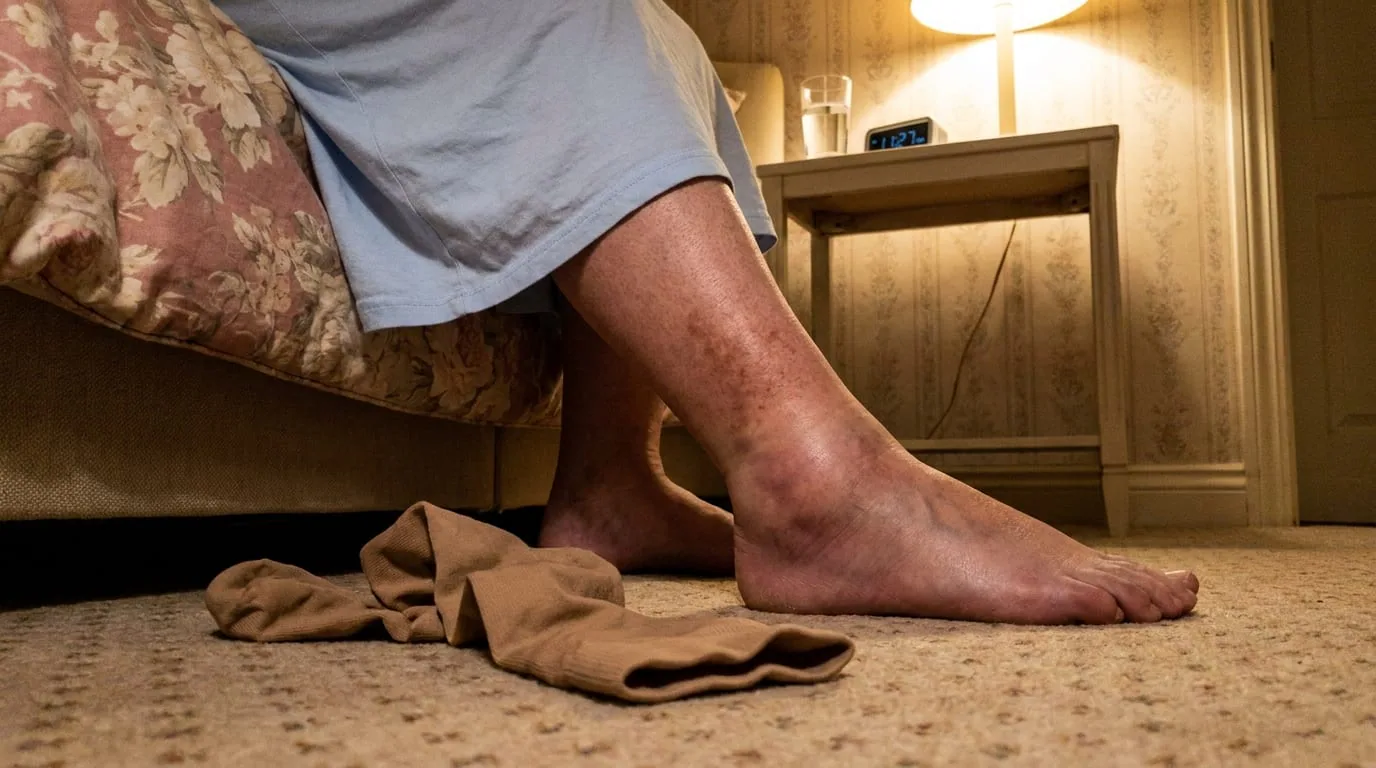
She hated them. She once told me she cried every morning when she put them on.
She had taken water tablets for eighteen months.
She had bought four different “miracle gels” for her legs online.
She had visited a private vein clinic. NZ$450 for the duplex ultrasound scan.
They told her she could have foam sclerotherapy: NZ$1,100 per session, three sessions, “and we can’t guarantee it won’t come back”.
She didn’t have NZ$3,300
On things that didn’t work. And she still couldn’t wear a skirt.
I just sat there staring at the kitchen wall.
And I realised something I had never really wanted to admit in my 23 years working on the ward.
What I discovered changed everything

For the next four months, I barely slept.
I read every study I could get my hands on.
I spoke with vascular colleagues at hospitals and universities around New Zealand.
I worked through medical research late into the night. I spent NZ$10,000 of my own money on research, formulas and samples.
My husband thought I had lost the plot.
And what I discovered honestly made me want to put my fist through the kitchen window.
The New Zealand vein industry is built on a lie

It’s a multi-million-dollar lie.
And it keeps you spending money, again and again and again.
Here’s what they don’t want to tell you:
The brownish-red patches around your ankles are not a skin disease.
They are not inflammation. And they are not eczema.
It is your own iron, leaking from damaged tiny veins, breaking down in your tissue and settling in your skin as a lasting pigment called haemosiderin.
Common dermatology guidelines list this as a recognised sign of chronic venous insufficiency.
Information from New Zealand health services also mentions it.
Vascular specialists overseas talk openly about it.
Yet you may never see this term mentioned on products sitting on the shelves of New Zealand chemists or pharmacies.
Why? Because once you understand what may actually be causing the discolouration, compression stockings and creams that only work on the surface may not address the underlying problem.
These things do not reach the source of the leaking iron. They never have.
The real cause of the brown patches around your ankles
Let me paint you a picture.
Imagine your legs are like an old garden hose. For decades, it worked perfectly: water in, water out.
But after thirty, forty or fifty years of strain, gravity and wear and tear, tiny leaks begin to form. At first, they are too small to notice. But they are there.
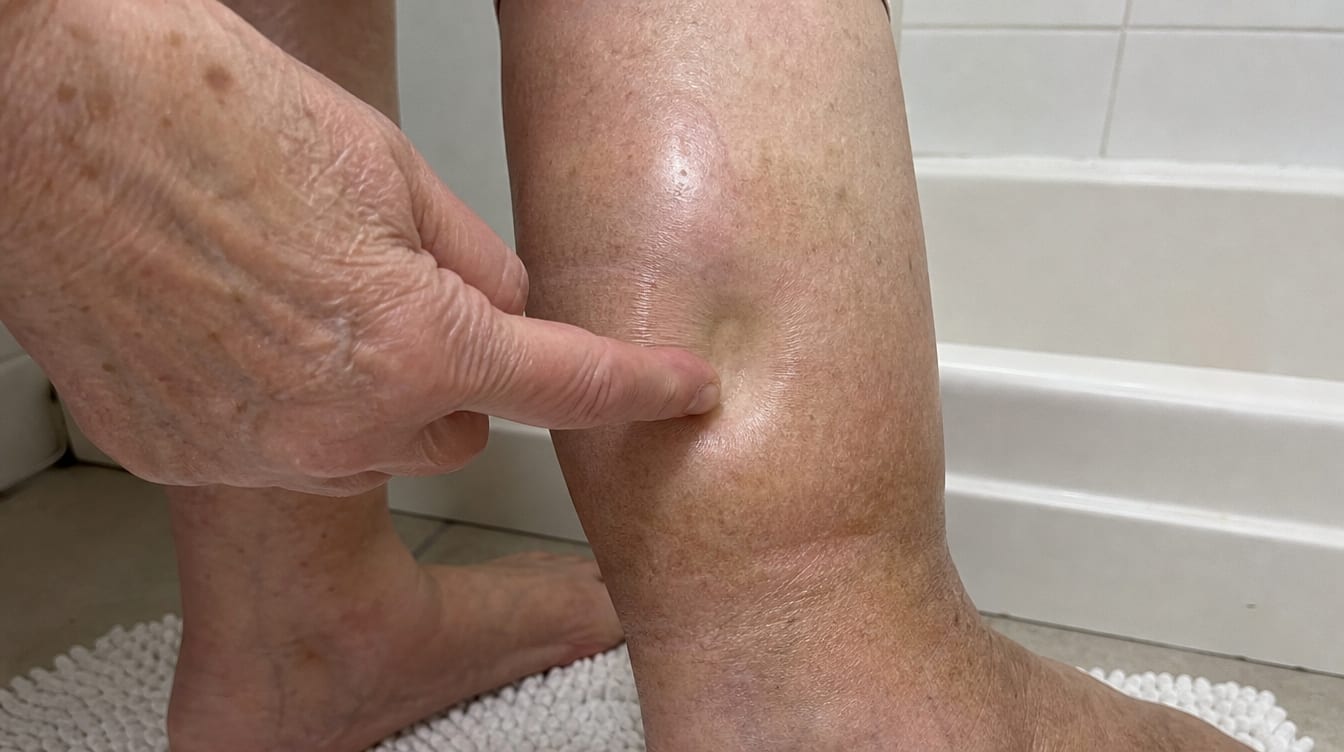
At first, only fluid leaks out. This is the swelling stage. We call it Phase One: Water. Your ankles swell up by the end of the day.
Your shoes feel tight. You press your finger into your shin, and the dent stays there for a few seconds.
You may have been told it’s “just fluid retention” and that you should put your feet up.
The problem is the leaking veins, not your kidneys.
Then, as those tiny leaks get bigger, something more serious starts to escape: red blood cells. Tiny blood cells pass through the damaged vein walls and into the surrounding tissue.
They break down. And when they do, they release iron.
And this iron (yes, the same iron found in supplements) settles into your skin as a rusty-brown stain that won’t simply wash away.
This is Phase Two: Fire. Hot, itchy, burning and brown.
This was where Margaret was. And if you’re reading this, there’s a good chance you may be at this stage too.
If nothing changes, the tissue itself eventually starts to harden.
The skin and the fatty tissue underneath can turn into something that feels like wet wood.
The ankle becomes a firm, fibrous band.
Phase Three: Wood. Lipodermatosclerosis. The point where the damage can become much harder to reverse.
That’s why your ankle feels the way it does. This is the point where the hose is finally starting to fail.
In fact, vascular researchers have spent more than thirty years publishing studies on microcirculation problems and iron deposits in tissue.
The science behind this isn’t new. The research is clear.
But here’s the truth: there isn’t much money to be made from a simple solution.
Horse chestnut can’t be patented. You can’t charge health funds NZ$1,100 per session for a roll-on applied to the skin.
You can’t keep selling ten-minute appointments to women who no longer need them.
That’s why you can get stuck in the same cycle: GP → compression stockings → cream → back to the GP → another examination → private clinic → laser treatment → symptoms return → start again.
It’s a clever system, really. At least if you’re the sort of person who sees a sixty-eight-year-old woman who hasn’t worn a skirt for seven years not as a person, but as a source of income.
The breakthrough nobody is talking about
We tested it with Margaret over the next eleven weeks.
She was crying because that morning, for the first time in seven years, she had put on a pair of 7/8 pants and her granddaughter had said, “Nan, your legs look better.”
By the eighth week, the brown discolouration around her right ankle was noticeably lighter.
Not gone. But the edges were softer, it was less noticeable and the area felt less hot.
We used a roll-on applied to the skin, made with three specific plant ingredients in three carefully balanced amounts. It was designed to work at the site of the leak, rather than through the kidneys, rather than working from the outside in like compression stockings, and rather than only cooling the surface like a cooling gel.
By allowing it to reach through the skin into the small blood vessel tissue where the iron had built up, we were able to address three things at the same time.
To really address the problem, you need to do three things at once:
1
Support the strength of the leaking vein walls.
2
Help move built-up fluid and waste products, including free iron, out of the tissue.
3
Soothe burning, itchy and tight-feeling skin without putting further stress on it.
If even one of these three ingredients is missing, you’re wasting your time.
They put pressure on the outside, but they don’t address the leak itself.
That’s also why water tablets don’t solve the problem. They make your kidneys get rid of more fluid.
That’s why the horse chestnut creams you’ve bought from the chemist, pharmacy or online haven’t worked either – because they contain only one of the three key ingredients, are often combined with too much menthol, and leave out Centella asiatica altogether.
You need all three. At the same time. In the right balance.
A triple-action formula designed to address the problem where it starts.
And that’s exactly what I went looking for.
This breakthrough has an entire industry very worried
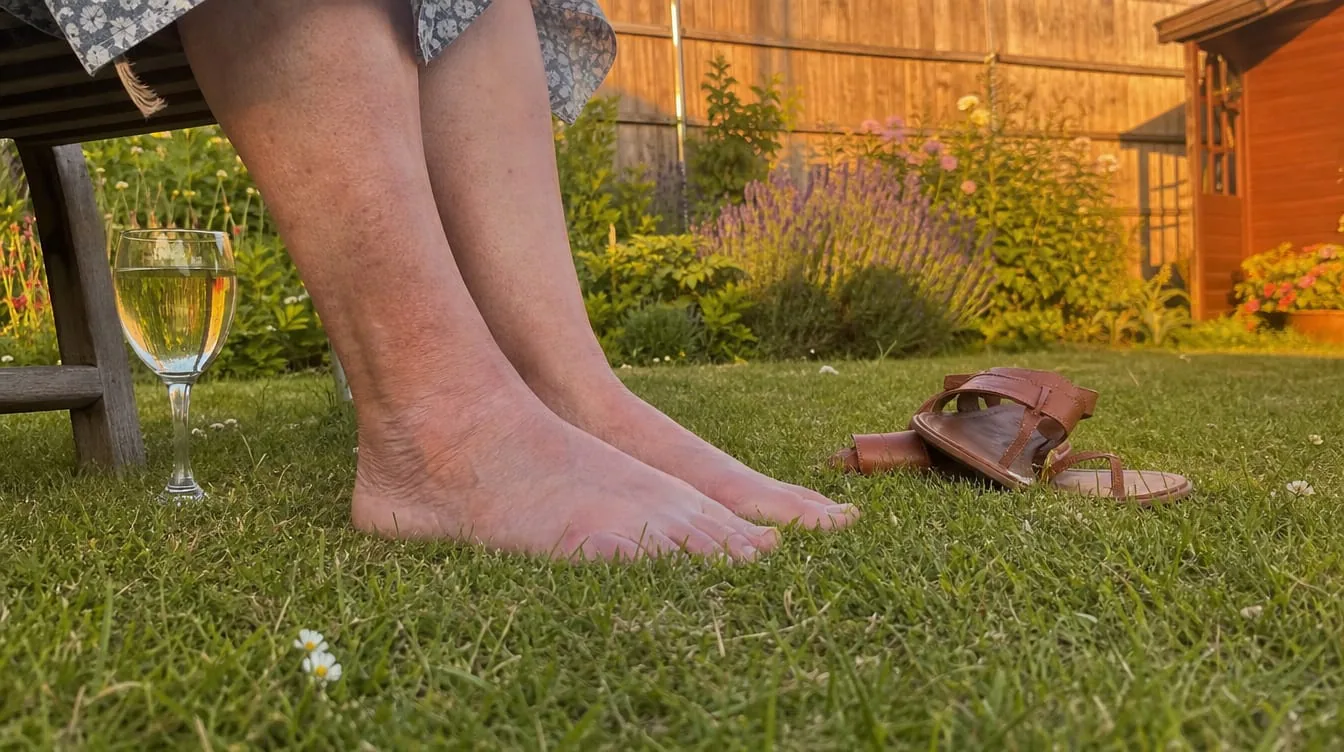
I was in the middle of putting my notes together when Janet came into my life.
Janet is sixty-one. She had recently retired after working as a community midwife in Christchurch. For thirty-eight years, she had helped deliver babies in New Zealand hospitals, with knees and ankles that felt like those of a footballer after a long season.
She had even worn compression stockings during her own three pregnancies.
By the time she retired, her right ankle was the colour of a tea bag left in the cup for far too long, and the skin on her shin felt, as she put it, “like wood”.
She came to see me in May in tears. Not because of the pain.
But because her son was getting married in September, and she had already told her future daughter-in-law that she wouldn’t be wearing the dress.
I gave her one of the formulas I was testing at the time.
Eleven days later, she sent me a message. I’ve kept it ever since.
In September, she wore the dress. There are photos.
Resistance from a completely unexpected direction

Over a coffee that was never really about coffee, a senior specialist told me I was “getting into dangerous territory”.
A politely worded letter from a private vein clinic, written by a law firm, arrived at my home. It suggested that I should “moderate” my recommendations.
A simple topical solution that:
✅ Addressed the underlying cause rather than simply covering up the symptoms.
✅ Started working within days rather than after months of appointments.
✅ Cost less than a single private duplex ultrasound scan.
✅ Gave women a way to support their legs at home, in their own bathroom.
But what the private vein clinics hadn’t counted on was that I had already found the people developing it.
We sat across from each other at a table in July in Auckland.
The brand I now recommend to every patient
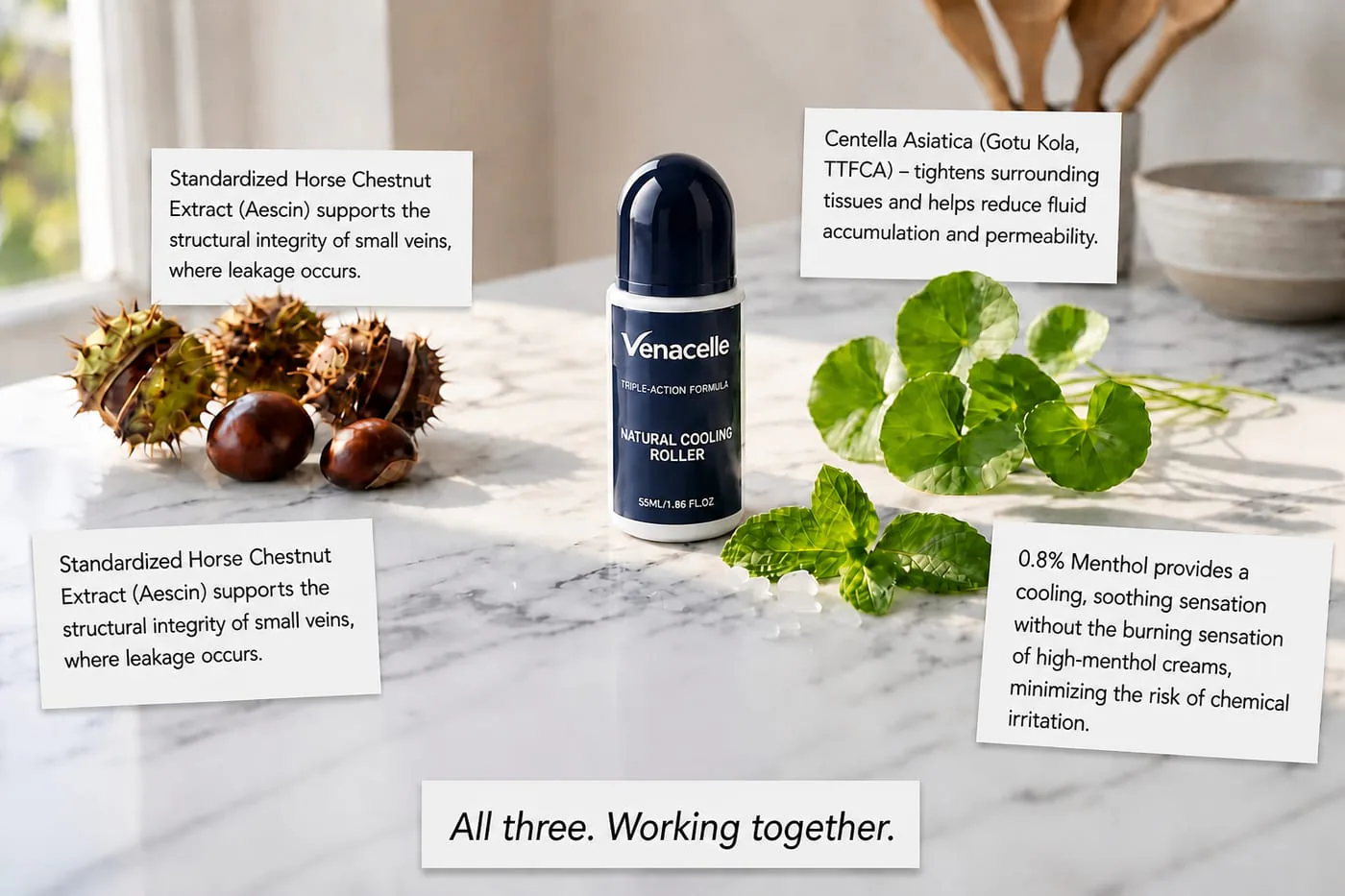
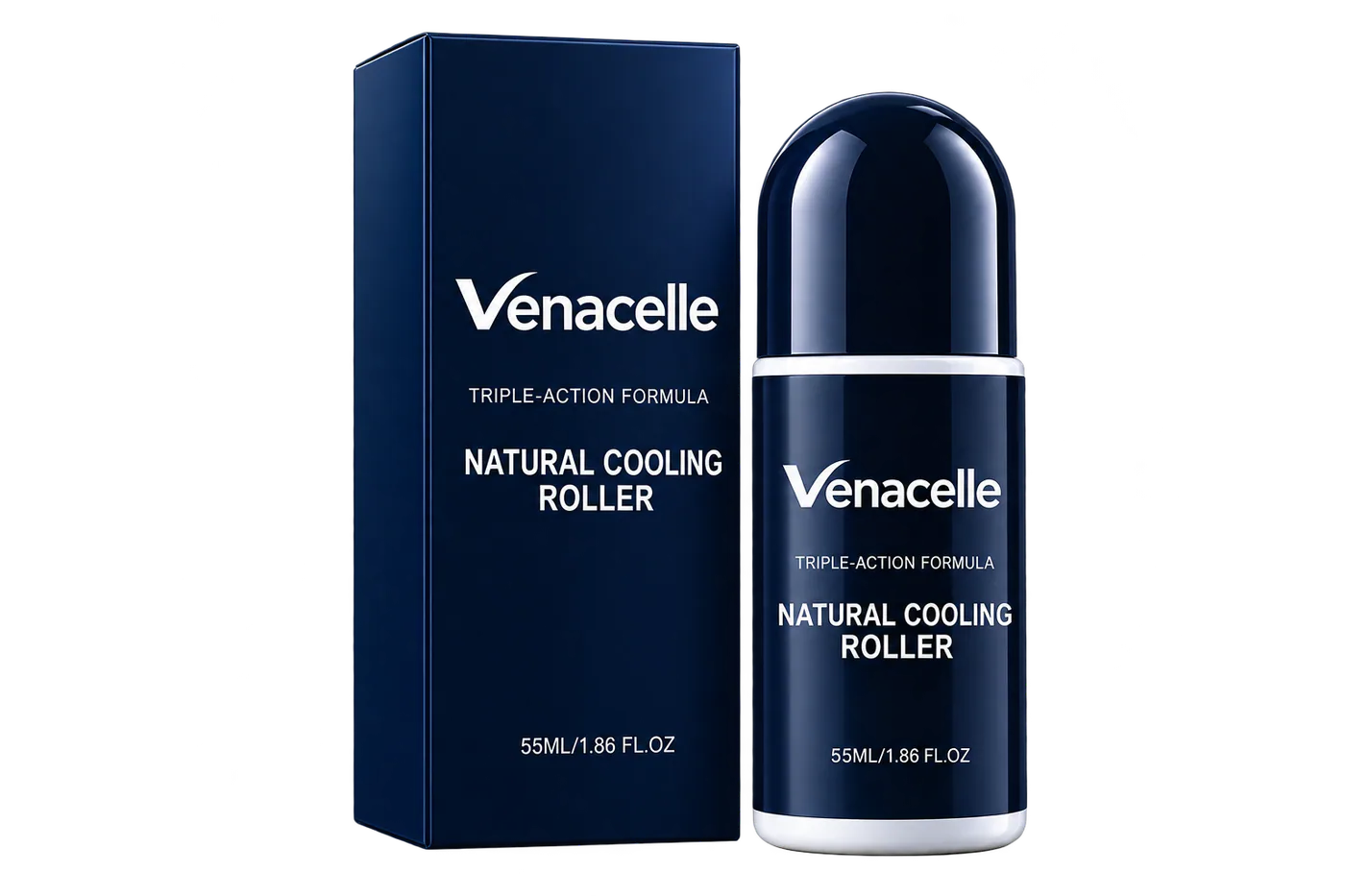
It’s called Venacelle.
I didn’t develop it. The team in Auckland developed it. They have been working on it since 2019.
I came across it almost by chance through a former colleague from a large Auckland hospital, who had been quietly recommending it to her private patients for more than a year.
When I first tested her formula with Janet, and then with six more women in my private practice, I knew I had found something worth sharing.
Because Venacelle is the only topical solution I found in New Zealand that brings together all three of the requirements I described above in a single sixty-second application.

Standardised Horse Chestnut Seeds (Aescin)

Centella asiatica (Gotu Kola, TTFCA)

Precisely dosed 0.8% Menthol
All three. Working together. In one simple roll-on.
Apply it morning and evening. Sixty seconds each time.
Roll it upwards from your ankle to just below your knee, following the direction your blood is meant to flow – then get on with your morning.
No waiting for an appointment to get started.
No prior approval from your health insurer.
No sitting in a vein clinic waiting room with magazines from 2019.
Relief. Support. Skin that can look more like your own again.
What I found out about this company before I recommended it

Look, I would never put my name alongside a product like this. Never.
I’ve been asked many times. And over the years, I’ve turned down every single request.
So before I sent even one of you to this brand, I needed to know exactly who I was trusting you with.
I travelled to Auckland in August.
I asked them every uncomfortable question.
I wanted to see their laboratory certifications.
I wanted the developer’s qualifications in front of me.
I wanted to know why their refund rate was around 0.3%, while most leg-care products sold online tend to sit at around fifteen per cent.
Here’s what I found:

The laboratory is registered with the relevant New Zealand authorities and is certified to ISO 22716 for cosmetic manufacturing, the same standard used by major New Zealand personal-care brands.

The lead formulator is a New Zealand phytochemist with 19 years of experience in the research department of a well-known personal-care company.

The horse chestnut comes from a single New Zealand supplier, rather than being sourced from a large bulk commodity supplier.
The customer service team is based in Auckland. I emailed them three times myself, and each time a real person wrote back.
They produce in small batches. Six weeks from raw ingredients to the finished bottle. No fillers, no parabens, no MSM, no alcohol and no added fragrance.
I spent 23 years watching this industry cut corners wherever it could.
These people don’t. That’s why I’m willing to put my name alongside theirs.
How Venacelle supports your legs during the first 7 days
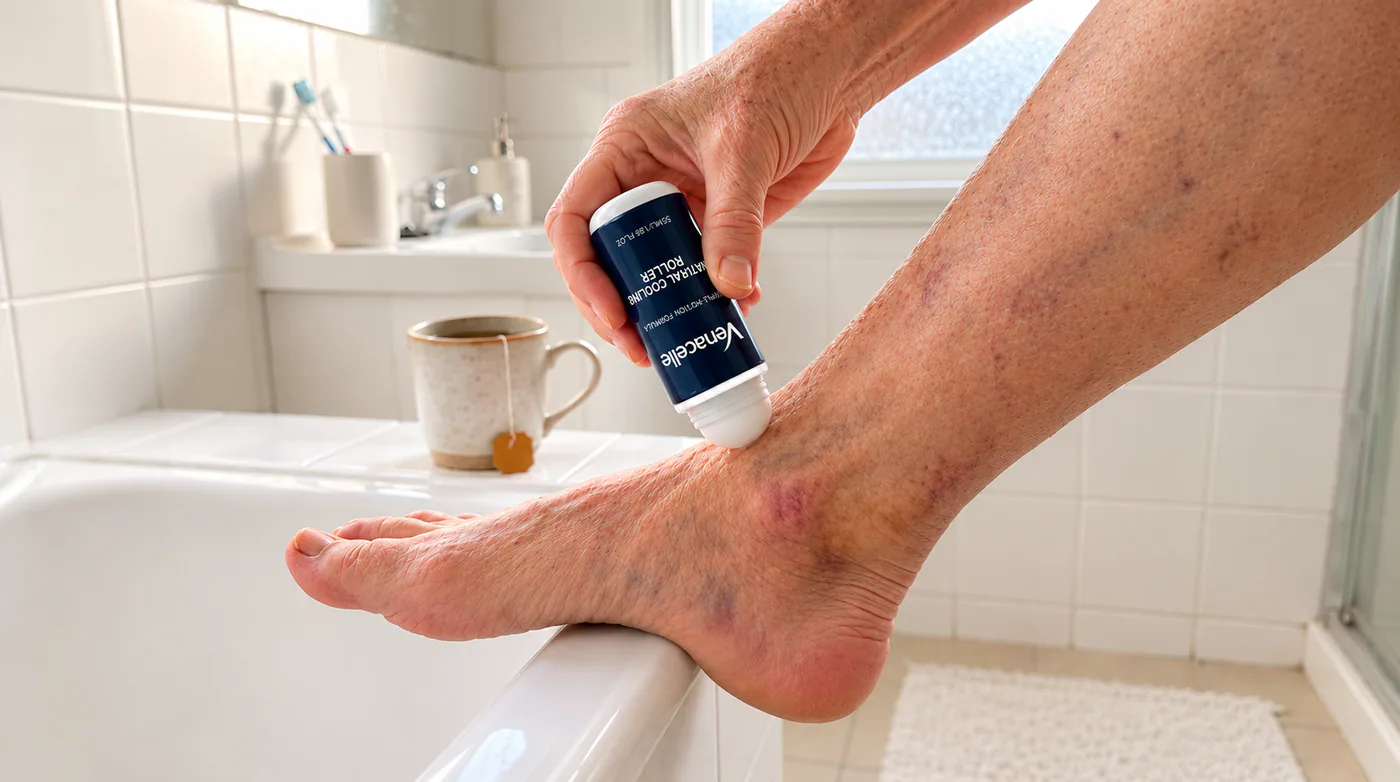
When you apply Venacelle to your ankle in the morning, here’s what is said to happen beneath your skin:
Minutes 0–10: The cooling phase.
These are the same receptors that respond to cold water, while the 0.8% concentration is designed to provide a cooling sensation without the irritation associated with stronger menthol products.
Many women report noticing this within the first three to five minutes.
It’s not simply in your head.
Days 1–3: The soothing phase.
Aescin begins to reach the walls of the small blood vessels.
Tiny leaks don’t repair themselves overnight, but the aim is to support the affected vessels and help slow the process.
The dent left behind after pressing your finger into your shin may disappear more quickly.
Days 4–7: The clearing phase.
This is when Centella asiatica begins to play its part.
Built-up fluid and iron in the tissue are supported as they move through the body’s normal drainage processes.
Your skin may start to look less inflamed. Less irritated.
Less like it belongs to someone else.
After 23 years working on the ward, that’s the moment that really matters to me.
Not what some measurement says.
Not what a duplex ultrasound scan shows.
What 44,000 women have experienced over the past fourteen months
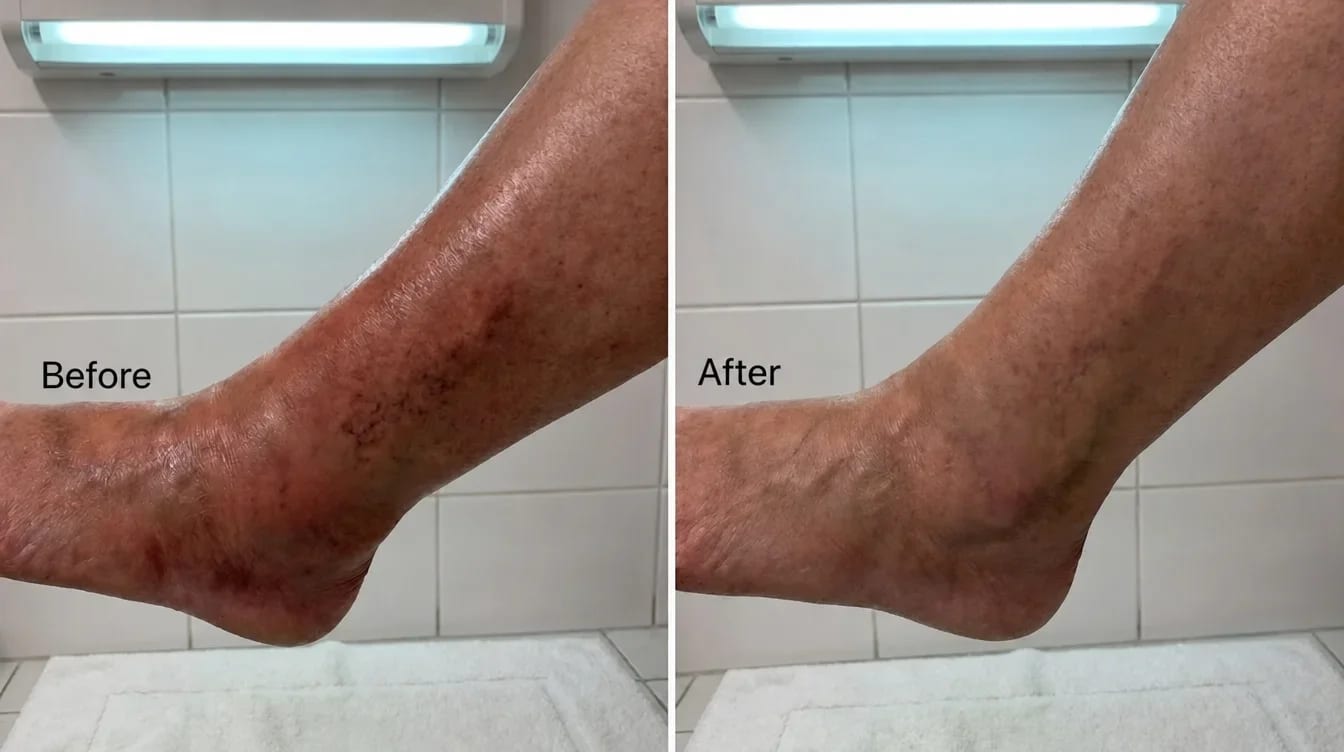
I asked the team in Auckland to send me their data before I put my name behind any of this.
Here’s what they sent me.
89%
reported a noticeable reduction in evening swelling within the first two weeks.
76%
reported that the burning and itching had “noticeably eased”by the third day.
81%
reported that by the tenth day, they had reduced or stopped using at least one other product, such as compression stockings, gel or oral supplements.
The refund rate is 0.3%. That’s just three women out of every thousand asking for their money back.But the number that really convinced me was this:
And two of those, the founder told me with a straight face, had cats that knocked the bottle off the bathroom shelf and smashed it.
Don’t just take my word for it.
Here’s what women from across New Zealand have actually written.

Pauline S.

Verified Purchase

Beverley B.
Verified Purchase
The doctors kept telling me I just had to live with it. Just live with it. As though I had a choice. I started using it in March. At the end of April, I wore open shoes to a friend’s funeral. It sounds strange to be happy about something like that, but they were the first proper shoes I’d worn outside the house for three summers. I cried in the car on the way home.

Carol J.
Verified Purchase
What chronic vein problems really cost New Zealand
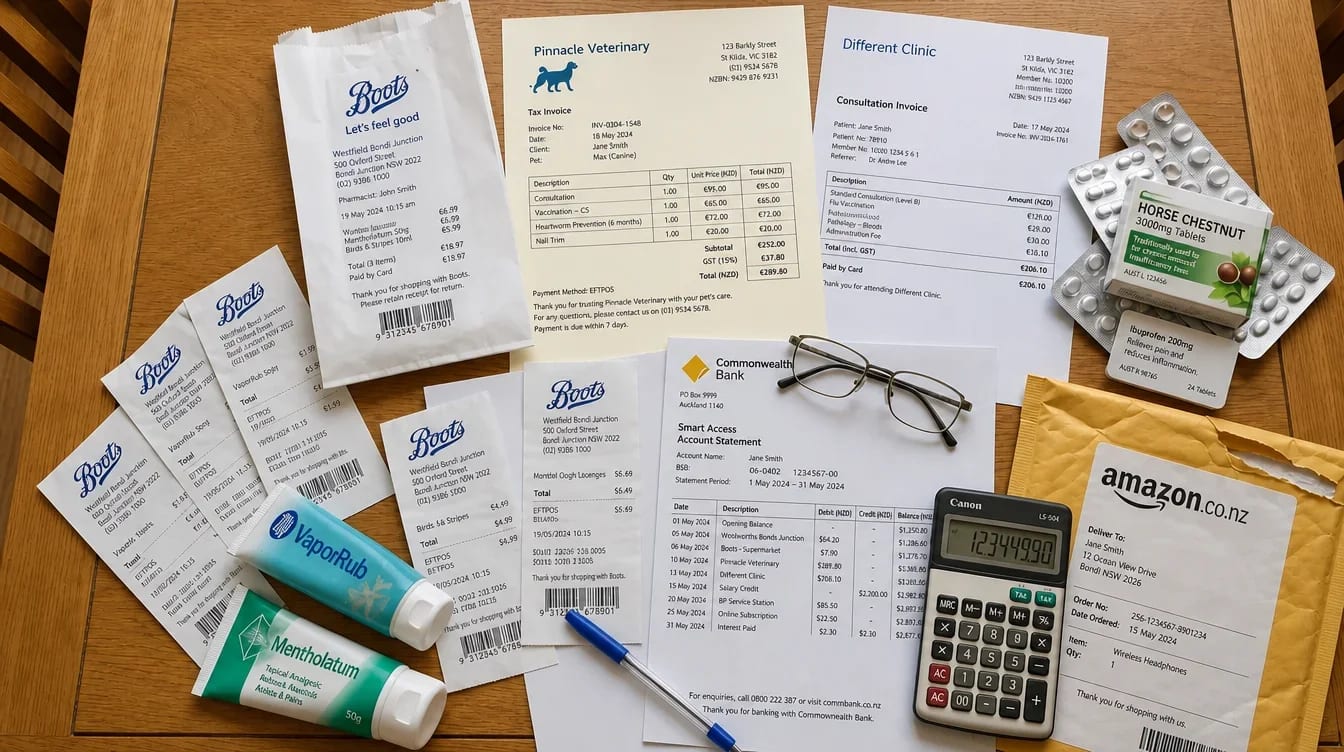
Let me show you what treating this problem can actually cost in New Zealand.
The public healthcare route:
First GP appointment: you’ll generally need to pay a consultation fee unless you qualify for a subsidised visit – and the appointment can be brief, sometimes ending with “Just wear compression stockings.”Compression stockings: around NZ$40–$90 per pair,often needing replacement every six months – potentially for years Five years of compression stockings: around NZ$400–$900,plus the daily hassle of putting them on every morning The reality: the brown discolouration may still get worse because compression stockings can help manage symptoms
but don’t directly eliminate an underlying vein problem
The private clinic route:
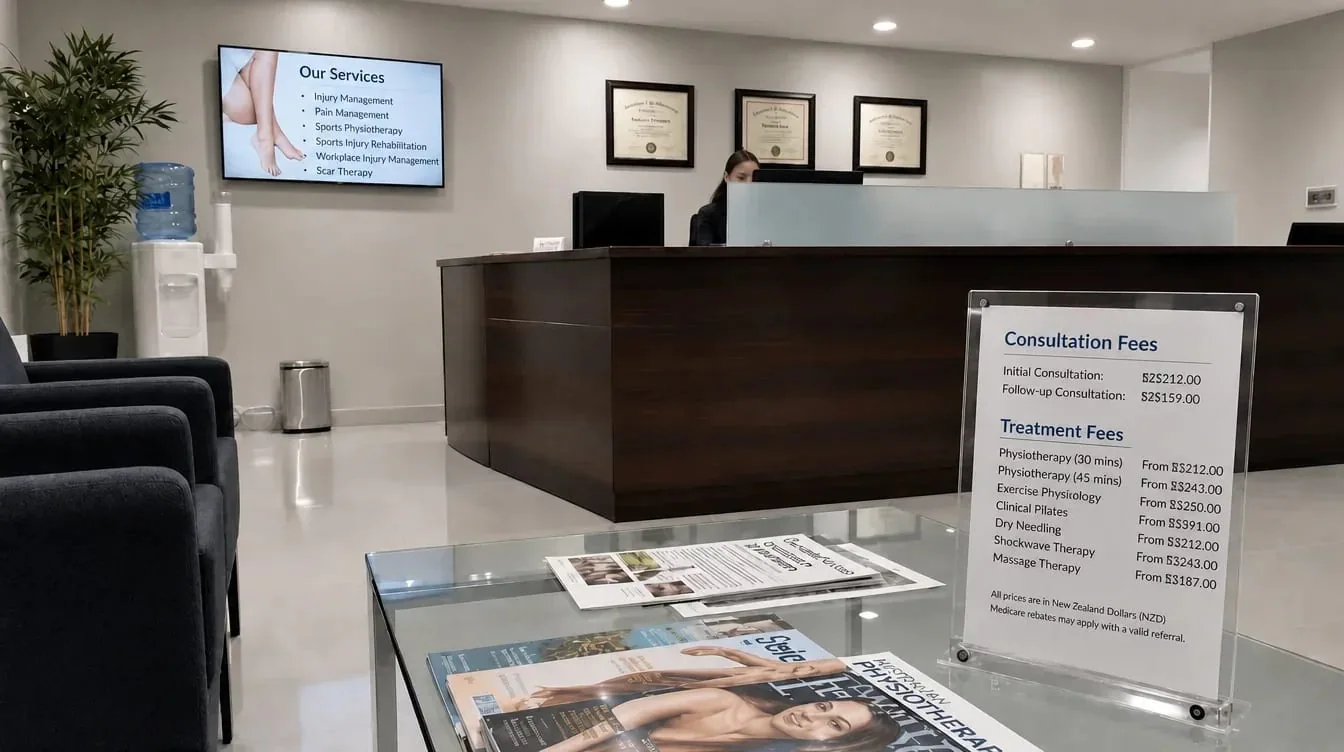
First private consultation: around NZ$180–$350Duplex ultrasound scan: around NZ$250–$450Foam sclerotherapy: around NZ$700–$1,200 per session,sometimes requiring multiple sessions Endovenous laser treatment (EVLT): around NZ$3,000–$5,000 per legRecurrence can happen, meaning further treatment may eventually be needed
Realistic total cost for treating both legs, including consultations and follow-up care: potentially NZ$8,000–$14,000 or more
The supplement and gel route:
Horse chestnut tablets: around NZ$30–$60 per month– potentially for years “Cooling” leg gels from pharmacies: around NZ$20–$45 per tube,depending on the product Prescription water tablets: may be subsidised for eligible patients, but they aren’t a treatment for the underlying vein problem and can have side effects
Four years of trying different products: potentially NZ$1,500–$2,500in total The reality: you can still end up back at your GP, while the brown discolouration continues to bother you
Private treatment can become an expensive cycle. Do you know why?
Because every “It didn’t work” can lead to the next, more expensive step.
First the cream doesn’t help → then tablets. The tablets don’t help → then compression stockings.
The compression stockings don’t help → then laser. The laser doesn’t help → then another treatment.
It can become an expensive cycle, built around a problem that may continue to worsen.
But there’s another option I wanted to explore.
The price I negotiated for my readers
But I didn’t get involved with this company just to send my readers off to a “fair retail price”.
So I travelled to Auckland again. I told the founder very openly: “My readers are women like Margaret. Like Janet.
They have already spent thousands
He disagreed. I stood my ground. For almost two weeks, we kept going back and forth over the price.
Apparently, his finance director was anything but happy about it. Good.
I’m not going to reveal the actual price here.
The brand specifically asked me not to publish the reduced price on any page that major retailers could screenshot. Because as soon as major pharmacy chains see it, they’ll demand the same wholesale terms – and the entire pricing structure could fall apart.
You’ll see the actual price on the next page once you click through.
But I can tell you one thing: it’s only a fraction of what you could spend on a single private vein consultation.
Less than you could pay for a Sunday roast for the whole family.
Why I can’t promise this price will last

When the founder agreed to give my readers this discount, he had just one condition: twenty-four hours.
Not a week. Not a weekend. One day.
He doesn’t want this price available online for any longer than necessary. As soon as major health and wellness retailers see the price my readers are getting, they’ll demand the same wholesale terms – and his entire pricing structure could be thrown out of balance.
So that’s the deal.
The discount is available for twenty-four hours. No longer. At midnight tonight, the page will close and the price will return to the regular retail price.
I asked him to extend the offer. He said no. I asked again. Still no.
The brand has made this absolutely clear. There will be no “extended offer”. And there won’t be another chance by email tomorrow. If you close this page, the price will be different when you come back.
This discount ends at midnight tonight. After that, the page will close and the price will return to the regular retail price. The current batch is also nearly sold out.
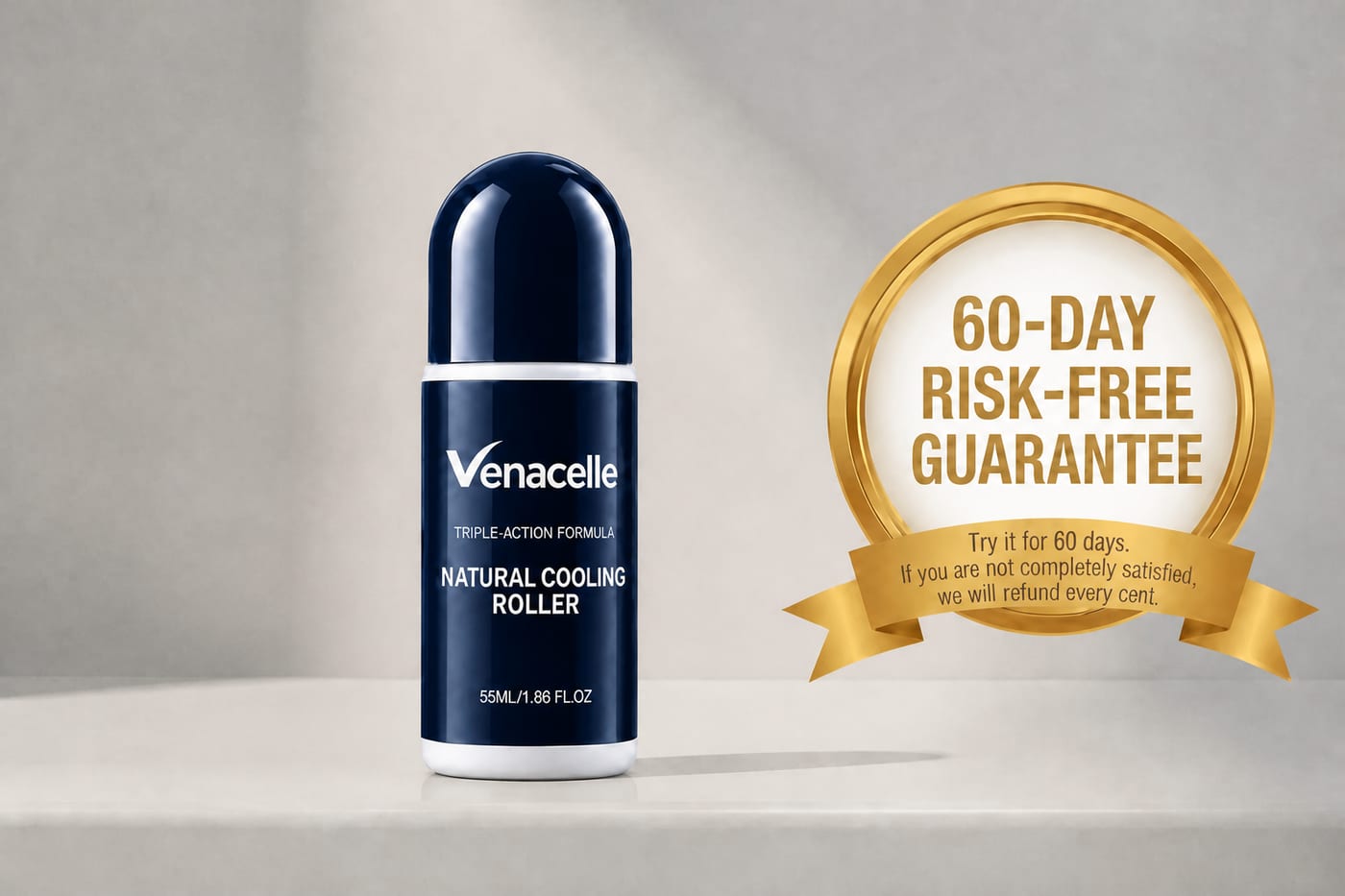
The brand’s 60-day guarantee: “Your legs or your money back”
Look, I know how all of this sounds. You’ve been disappointed before. You’ve spent money on miracle products that ended up being an expensive let-down.
That’s why the company offers the following – and it’s exactly why I trust them.
Try Venacelle for a full 60 days. That’s two whole months.
Long enough to test it under all kinds of challenging conditions: on a long flight, at a wedding, standing in a supermarket queue on a thirty-degree afternoon, after a long day on your feet or after three hours in the car.
Long enough that, by the end, you can’t make an excuse like: “I didn’t really give it a proper chance.”
Use it every morning and evening. Roll it on. Sixty seconds. Then get on with your day.
And if you don’t wake up one morning, look at your ankles and think: My goodness, they look like my legs again – then you’ll get every cent back.
No forms. No store credit. No nonsense like: “Please send the empty bottle back.”
Simply email the customer service team in Christchurch. Write: “It didn’t work for me.” Your refund will be processed within 48 hours.
I asked the founder why they offer 60 days when most supplement brands only give you thirty days. His answer was: “Because we want every customer to have enough time to experience the results for themselves. If we can’t achieve that within 60 days, we haven’t earned her money.”
The refund rate is 0.3%. The roll-on works. Full stop.
You’re at a turning point

Right now, you’re standing at a crossroads.
Option one: You carry on as you have been.
You keep struggling with your compression stockings every day.
You keep cancelling holidays because you don’t want to be the one wearing long trousers at the beach.
Option two: You try something that is designed to address the underlying issue.
You spend less than you would on a single private vein consultation.
You focus on the underlying issue instead of simply trying to manage the symptom.
You wake up tomorrow with a little hope instead of the same quiet worry.
For me, honestly, the choice is obvious.
Because let’s be honest with each other.
Chronic venous insufficiency is a progressive condition.
If you don’t change anything, it can get worse over time.
Remember: you have nothing to lose.
Either way, you’ll be in a better position than you would be tonight if you did nothing.
Here’s what to do next, step by step
Click the button below labelled “CHECK AVAILABILITY”.
- Choose your package (a little tip: take three bottles rather than one. That covers the full 90 days, and the price per bottle is lower).
Enter your delivery address (orders placed before 3:00 pm are dispatched from Auckland the same day.)
- Delivery within New Zealand is free on orders of 2 or more.
Apply the roll-on on the first morning after it arrives.
Email the team in three weeks and tell them what your husband said when he noticed the difference.
There is no “later” when your legs are still feeling hot and looking brown at midnight on a Tuesday night in November.
“Later” means the next wedding where you turn up in a long dress.
With hope,
Karen Mitchell, Registered Nurse, former vascular nursing specialist, Auckland
P.S.
P.P.S.
P.P.P.S. I’m serious about the guarantee. Try Venacelle for 60 days. If your legs don’t look and feel better, email the team in Auckland and you’ll get every cent back.
Get up to 50% off!
This offer is extremely popular,
We can’t guarantee that Venacelle will be available again at this price.
🎁 Customer favourite!







Recommended:
★★★★★
⭐ 4.8 | 13,420+ reviews


Venacelle

No more burning, swollen ankles
Feel confident showing your legs again
No prescription or clinic visit needed
Triple-action plant-based formula
The information on this page or in the related materials is not intended as medical advice and does not replace professional diagnosis or treatment from a qualified medical professional.
If you or someone else has a health concern, we recommend seeing your GP or another qualified health professional.
Professional medical advice should never be ignored or delayed based on the content of this page or any related materials.
If you believe you are experiencing a medical emergency, call your doctor or dial 111 immediately.
© 2026 All rights reserved.
Privacy Policy · Terms of Use